 Save Pin
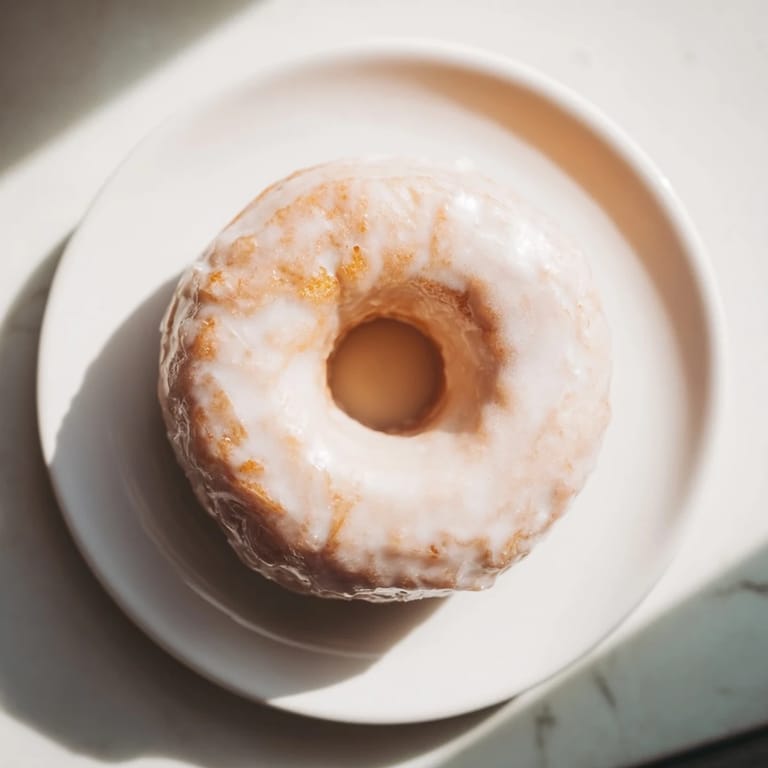
 My kitchen timer went off at six in the morning, and I knew exactly what that meant—donut day. There's something about the smell of oil heating up and that first batch sliding into the pan that makes everything feel festive, even on a Tuesday. I'd been craving that specific texture, that tender crumb that melts on your tongue, so different from the dense cake you get from a box mix. The recipe seemed straightforward enough, but the real magic happened when I watched the batter transform from thick and slightly sticky into these golden-brown clouds that somehow stayed pillowy soft inside.
I made these for my neighbor's book club one Saturday, and I've never seen a plate empty so fast in my life. Everyone was so busy talking and reaching for seconds that the conversation almost stopped—almost. That's when I knew the recipe worked, because good food does that sometimes, it just makes people pause and appreciate the moment.
Ingredients
- All-purpose flour (2 1/2 cups): The foundation of your donuts' tender crumb; don't sift it unless you love dense results, just spoon it into your measuring cup and level it off.
- Granulated sugar (1 cup): Sweetness throughout the dough itself, not just on the outside, which keeps each bite interesting.
- Baking powder and baking soda (2 tsp and 1/2 tsp): These two work together to create that signature fluffy texture, the kind that makes you wonder how they stay so light.
- Salt (1/2 tsp): Never skip this; it balances the sweetness and makes every flavor pop.
- Ground nutmeg (1/2 tsp): A subtle warmth that people will taste but never quite name, like a memory they can't quite place.
- Large eggs (2): They bind everything together and add richness that keeps the donuts moist.
- Buttermilk (3/4 cup): The tanginess here is what creates that tender, almost delicate crumb; regular milk just doesn't have the same magic.
- Unsalted butter, melted and cooled (1/4 cup): Cool it down or you'll cook the eggs, which I learned the hard way on attempt number two.
- Vanilla extract (1 tsp): Use the real stuff if you can; it makes a difference you'll feel in the back of your mouth.
- Vegetable oil for frying (about 1.5 liters): A neutral oil that won't overpower the delicate donut flavor or smoke up your kitchen.
- Powdered sugar for glaze (1 cup): Creates that smooth, glossy coating that makes them look bakery-worthy.
- Milk for glaze (2–3 tbsp): Start with two and add more if you prefer a thinner dip.
- Cinnamon and sugar for coating (1 tsp cinnamon mixed with 1/2 cup sugar): A classic combination that smells like comfort when it's warm.
Tired of Takeout? 🥡
Get 10 meals you can make faster than delivery arrives. Seriously.
One email. No spam. Unsubscribe anytime.
Instructions
- Gather your dry team:
- Whisk together flour, sugar, baking powder, baking soda, salt, and nutmeg in a large bowl. You're creating an even distribution so every bite gets the same gentle rise and subtle spice.
- Build your wet base:
- In a separate bowl, beat the eggs first until they're slightly foamy, then whisk in the cooled melted butter, buttermilk, and vanilla. This step matters because you're emulsifying everything so it combines smoothly with the dry mixture.
- Bring it together gently:
- Add the wet ingredients to the dry and mix just until combined. Overmixing develops gluten and turns your donuts tough and chewy instead of that tender cake texture we're after.
- Roll and cut:
- Turn the dough onto a lightly floured surface and pat or roll it to about half an inch thick. Use a donut cutter or two round cutters (a large one and a small one for the holes), and don't twist as you cut—just press straight down so the edges seal properly.
- Prepare your oil:
- Heat oil in a deep pot to exactly 350°F. Use a thermometer here; too cool and they'll be greasy, too hot and they'll brown before cooking through.
- Fry in batches:
- Slide the donuts into the oil a few at a time and fry for about 1 to 2 minutes per side until they're golden brown. You'll see them puff up and float, which is your signal that the magic is happening.
- Drain and finish:
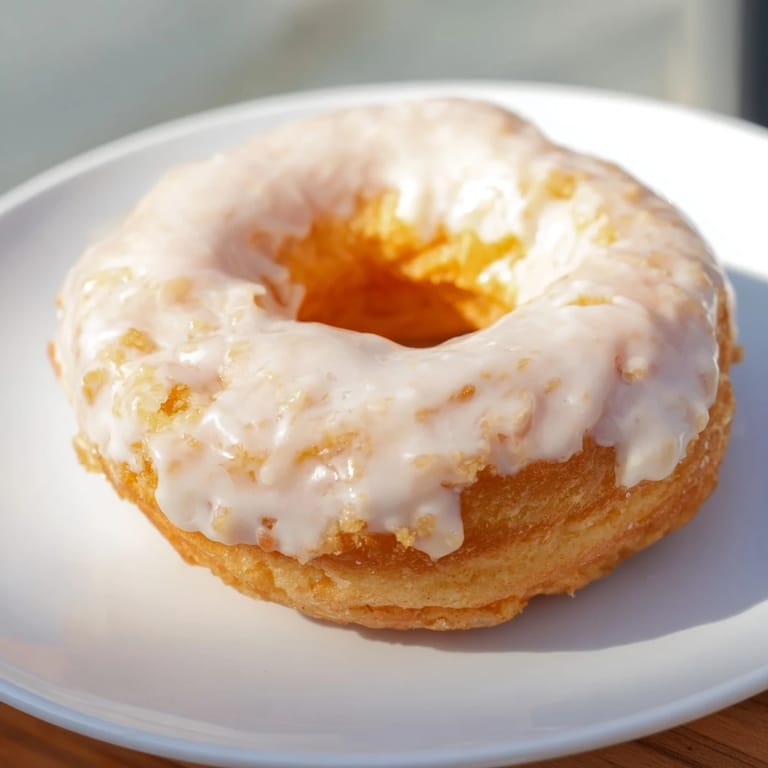
- Lift them out with a slotted spoon and lay them on paper towels to cool just slightly. This is your window to dip them in glaze or toss them in cinnamon sugar while they're still warm enough for the coating to stick.
 Save Pin
 There was this moment when my daughter walked into the kitchen, saw the warm donuts sitting on the rack, and just froze. She didn't ask, didn't say anything—she just pointed at the cinnamon sugar ones with her eyes wide. That's when this recipe stopped being about technique and started being about creating something worth pausing for.
The Glaze Versus Cinnamon Sugar Question
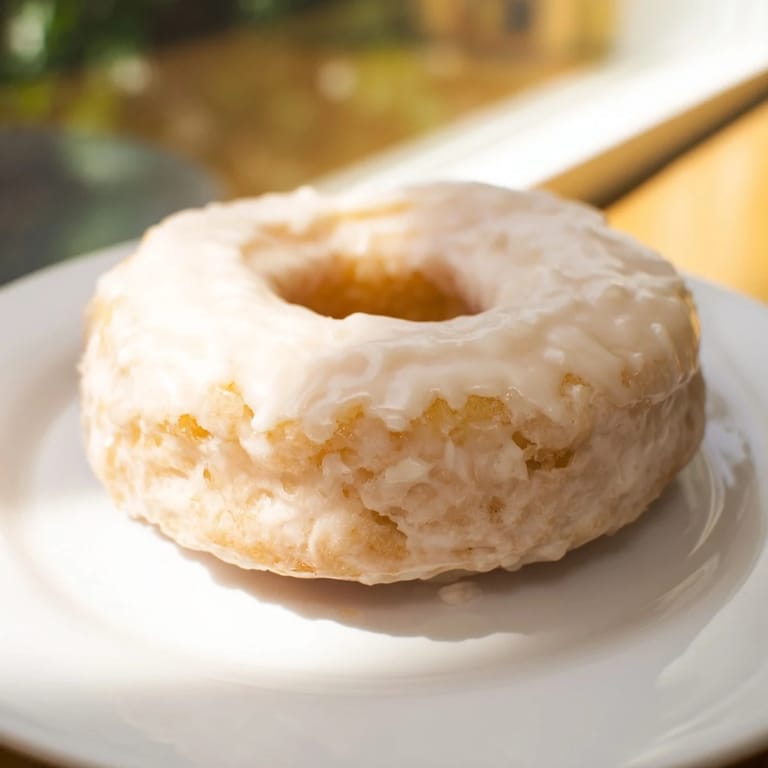
Glaze wins if you want that bakery look and a sweet bite that feels elegant, almost dainty. Cinnamon sugar is the choice when you want something you can eat with your hands without worrying about drips, plus there's that warm spice that makes everything feel cozier. I usually make half of each batch because honestly, they're both too good to choose.
Storage and Serving
Fresh is always best, but these donuts stay soft for up to three days if you keep them in an airtight container at room temperature. I've reheated them in a low oven and they come back to life surprisingly well, though nothing quite matches that first few hours right after frying. They freeze beautifully too if you want to make a big batch ahead and have bakery-fresh donuts on demand.
Flavor Variations and Swaps
This recipe is more flexible than it might seem at first glance. You can swap the buttermilk for sour cream and get an even tangier crumb, or add cocoa powder to the glaze for a chocolate version that tastes like indulgence. The nutmeg can be adjusted up or down depending on how much you love warm spices, and I've even added a pinch of cardamom once when I was feeling adventurous.
- Try a cream cheese glaze by mixing softened cream cheese, butter, and powdered sugar for something richer.
- Make old-fashioned cinnamon rolls by rolling the dough flat, filling it with cinnamon sugar and butter, rolling it up, cutting circles, and frying—basically donut holes' sophisticated cousin.
- Save those donut holes and coat them in different toppings for a donut sampler box that feels fancy but took almost no extra effort.
 Save Pin
 These donuts aren't just breakfast—they're the kind of thing you make when you want to remind someone (or yourself) that homemade tastes like care. Every golden-brown one is proof that thirty minutes in the kitchen can turn an ordinary morning into something worth remembering.
Recipe FAQs
- → What gives these donuts their tender texture?
The combination of buttermilk and melted butter in the batter contributes to their soft, tender crumb and moist texture.
- → How do I know when the oil is ready for frying?
Heat the oil to 350°F (175°C). You can test by dropping a small piece of dough into the oil; it should sizzle and rise to the surface quickly without burning.
- → Can I substitute buttermilk with something else?
Sour cream can be used as a substitute for buttermilk, providing a similar tang and moisture to the dough.
- → How should donuts be cooled after frying?
Place the freshly fried donuts on paper towels to drain excess oil, then transfer to a wire rack before glazing or coating.
- → How do I make the glaze smooth and lump-free?
Whisk powdered sugar with milk and vanilla extract until smooth. Adding milk gradually helps achieve a creamy consistency perfect for dipping.
- → Can donut holes be prepared like the donuts themselves?
Yes, donut holes can be fried and coated with glaze or cinnamon sugar just like the larger donuts.