 Save Pin
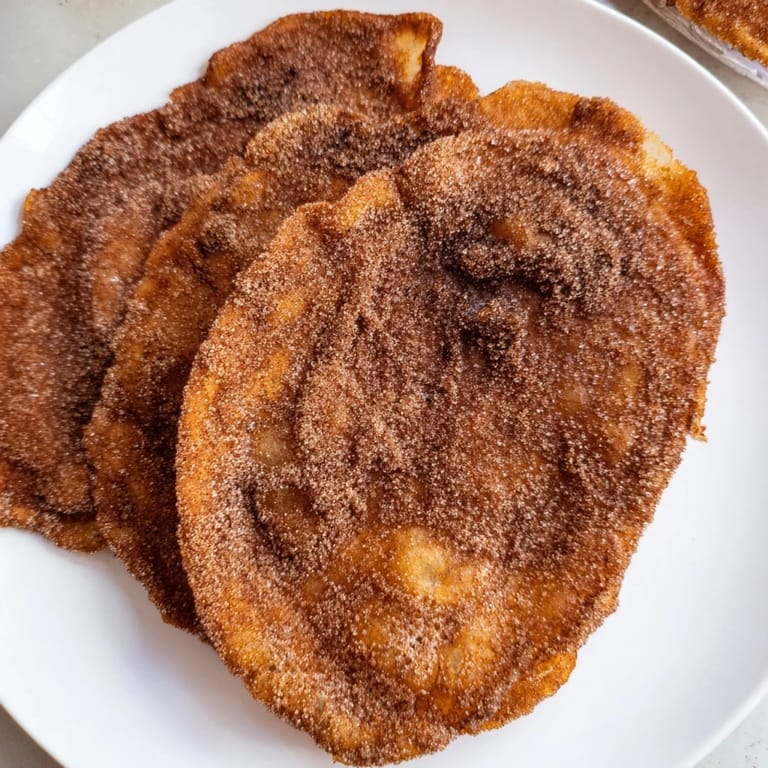
 My aunt showed up at our kitchen one Saturday morning with oil already heating in her old cast-iron skillet, declaring it was Elephant Ears weather. I didn't understand then why she made such a fuss over fried dough, but one bite of that crispy, cinnamon-sugar-dusted pastry changed everything. There's something about stretching warm dough thin and watching it puff into golden clouds that feels less like cooking and more like creating edible magic. That morning became a tradition, and now whenever I smell cinnamon and hot oil together, I'm back in her kitchen laughing at how much powdered sugar we'd inevitably end up wearing.
I brought a batch to a potluck once thinking they'd be a side note, and somehow everyone forgot about the fancy casseroles. A friend ate three in a row while telling me about his week, sugar crystals falling onto his shirt, completely unbothered. That's when I realized Elephant Ears aren't just dessert—they're permission to be a little messy and completely happy at the same time.
Ingredients
- Active dry yeast (2¼ teaspoons): This is what makes the dough rise and gives you that tender, pillowy base; don't skip the blooming step or you'll lose that crucial lift.
- Warm milk (1 cup): The warmth activates the yeast, so aim for that 110°F sweet spot—too hot and you'll kill it, too cold and nothing happens.
- Granulated sugar (½ cup total, divided): Two tablespoons wake up the yeast, while the rest joins cinnamon for the addictive coating that's honestly the best part.
- Unsalted butter (2 tablespoons melted, plus 2 optional for topping): Adds richness to the dough and helps the cinnamon sugar stick; the optional brushing before coating is worth the extra step.
- Salt (½ teaspoon): A tiny amount that somehow makes everything taste more like itself.
- All-purpose flour (2½ to 3 cups): Start at 2½ cups and add gradually—humidity changes everything, and sticky dough is your enemy here.
- Vegetable oil (3 cups for frying): Keep it neutral so the cinnamon sugar steals the show; vegetable or canola works perfectly.
- Ground cinnamon (2 teaspoons): The MVP of the topping—this is where you don't skimp, and quality cinnamon makes a noticeable difference.
Tired of Takeout? 🥡
Get 10 meals you can make faster than delivery arrives. Seriously.
One email. No spam. Unsubscribe anytime.
Instructions
- Wake up your yeast:
- Pour warm milk into a bowl, sprinkle the yeast over it with 2 tablespoons sugar, and wait for it to get foamy and alive-looking—about 5 minutes. If nothing happens, your yeast is dead and you need new packets.
- Build the dough:
- Stir in melted butter and salt, then gradually mix in flour until you have a soft, shaggy mess that just barely comes together. It should feel slightly sticky but still manageable; add flour a tablespoon at a time if needed.
- Knead and rise:
- Work the dough on a floured surface for about 5 minutes until it's smooth and elastic, then let it rise in a warm spot for an hour until it's about twice the size. This is when you can go do something else and come back refreshed.
- Mix your coating:
- Combine the remaining sugar and cinnamon in a shallow dish and set it nearby—you'll want this within arm's reach when the frying starts.
- Portion and stretch:
- Punch down the risen dough, divide it into 8 equal pieces, roll each into a ball, then gently stretch or roll each one into a thin oval about 8 inches long. Don't worry about perfection; rustic shapes look more authentic anyway.
- Get oil ready:
- Heat your oil to 350°F in a deep skillet or Dutch oven, and use a thermometer because guessing temperature is how you end up with either raw or burnt dough. This is worth taking seriously.
- Fry with confidence:
- Working with one or two ovals at a time, gently slide them into hot oil and let them cook about 1 minute per side until they're golden and puffed up. They'll look impossibly fragile but they can handle it.
- Finish and coat:
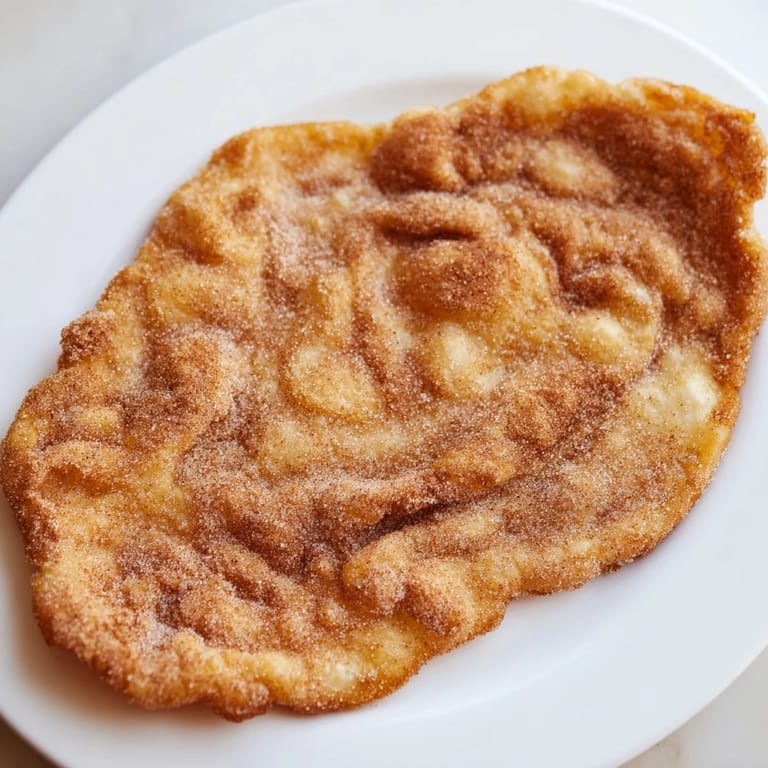
- Drain each one briefly on paper towels, then brush with a little melted butter if you're feeling fancy, and immediately dredge both sides in that cinnamon sugar mixture. The warmth helps it stick like it was meant to be there.
 Save Pin
 My sister brought her kids over once and they watched me stretch the dough with wide eyes, fascinated by how something so simple could transform into something so special. One of them asked if I was a baker, and I laughed—I'm just someone who figured out that making people happy doesn't require culinary school, just hot oil and the willingness to get a little messy.
The Secret to Perfect Puff
The difference between okay Elephant Ears and incredible ones comes down to that initial rise—don't rush it. A full hour lets the yeast develop flavor and creates tiny air pockets that puff dramatically when they hit the hot oil. I learned this the hard way by trying to speed things up, and the result was denser, less interesting pastries that tasted like I'd taken shortcuts everywhere.
Oil Temperature Really Matters
Use a thermometer, not your instincts or that old trick of dropping a piece of bread in. At 350°F, the exterior crisps while the inside stays tender and fluffy; any cooler and they absorb oil like little sponges, any hotter and you get burnt outsides with raw dough centers. I've ruined enough batches to know this isn't a guess-and-check situation.
Making Them Your Own
This is where you can play around without breaking anything fundamental. The nutmeg note mentioned in the original suggestions is genuinely lovely, adding warmth without taking over. Some people brush the hot pastries with chocolate sauce instead of butter, others dip them in honey or jam, and honestly all of it works.
- A pinch of nutmeg or cardamom in the dough gives it an unexpected depth that people will try to guess.
- The dough can be made a full day ahead and refrigerated, so you could prep it the night before and fry fresh pastries whenever you want them.
- If you're serving a crowd, make the dough in advance and fry them to order so everyone gets the warm-from-oil experience.
 Save Pin
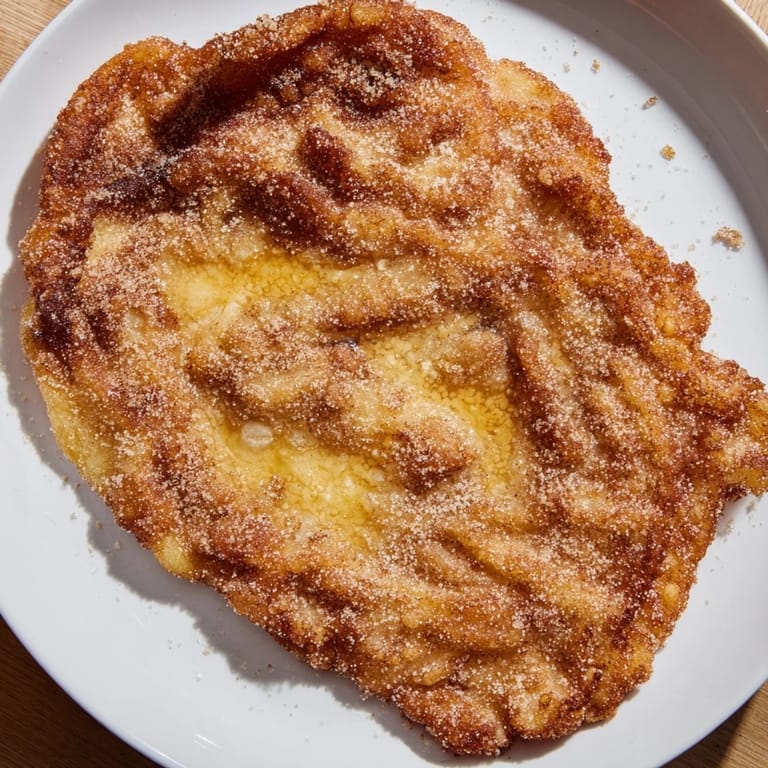
 These are the kind of recipe that reminds you why cooking matters—not because it's complicated, but because it brings people together with something warm and sweet. Make them once, and you'll understand why my aunt guards this tradition so fiercely.
Recipe FAQs
- → What type of dough is used for elephant ears?
A soft yeast dough made from flour, milk, sugar, butter, and salt is stretched thin to create a light, airy texture when fried.
- → How do you achieve a crispy texture?
Deep frying the thinly stretched dough at 350°F (175°C) ensures a crisp and golden exterior while keeping it light inside.
- → Can I prepare the dough in advance?
Yes, the dough can be made ahead and refrigerated for up to 12 hours before frying, which helps manage prep time.
- → What toppings complement elephant ears?
A classic coating of cinnamon sugar is traditional, but brushing with melted butter prior to coating enhances flavor and adherence.
- → Are there any suggested accompaniments?
Elephant ears pair well with dipping options like chocolate sauce, jam, or honey to add extra sweetness and variety.