 Save Pin
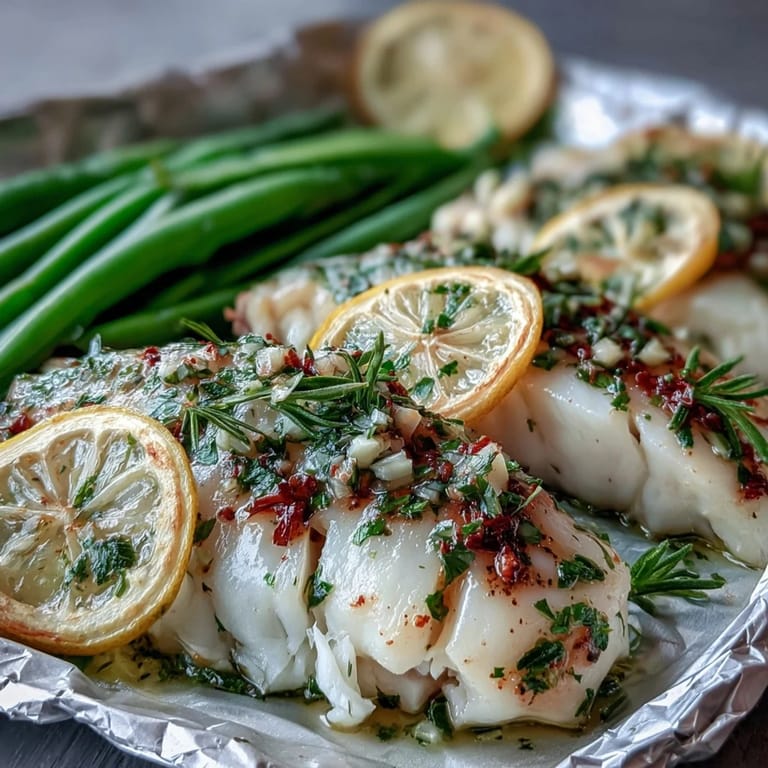
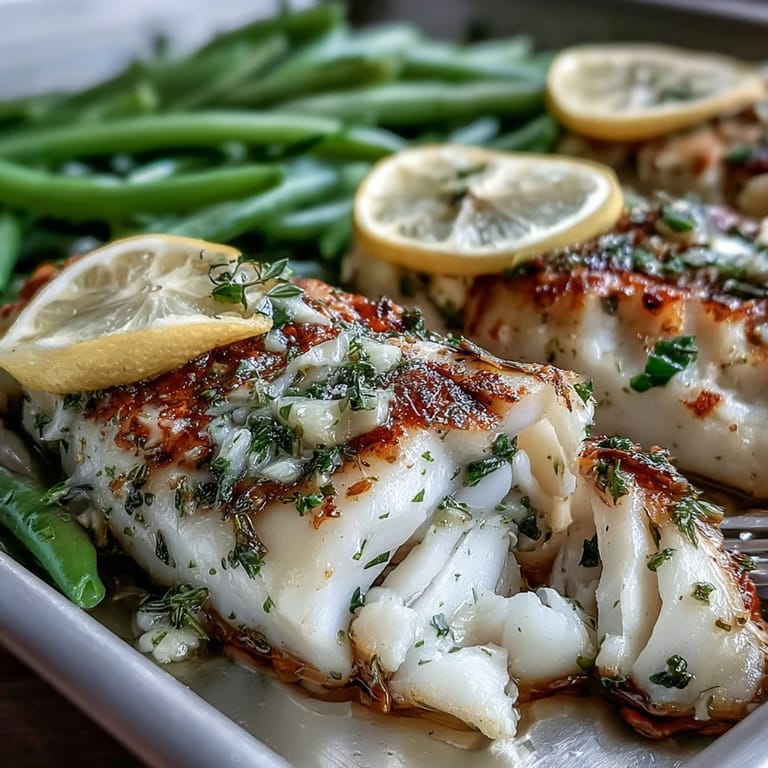
 Midweek exhaustion hit different the evening my neighbor mentioned she'd been eating frozen dinners because cooking felt too heavy. That conversation stuck with me, so I started experimenting with foil packets—dishes that practically cook themselves while you breathe. This lemon garlic tilapia became my answer to "I want something nourishing but effortless." The steam trapped inside each packet creates this tender, impossibly juicy fish without any heavy sauces or complicated techniques. It's become my go-to proof that healthy eating doesn't require sacrifice.
I made these for my sister right after she mentioned wanting to eat better without turning cooking into a second job. Watching her open that foil packet and the lemon-garlic steam hit her face—she actually closed her eyes for a second. She texted me the next day asking for the recipe, which felt like the highest compliment.
Ingredients
- 4 tilapia fillets (4 oz each): Tilapia's mild flavor lets the lemon and garlic shine without overwhelming delicate fish. Pat them completely dry before cooking so they don't steam unevenly.
- 12 oz fresh green beans, trimmed: They soften just enough in the packet while keeping their slight snap. Fresh beans matter here more than frozen.
- 1 small red onion, thinly sliced: Red onion adds sweetness and becomes almost creamy when steamed, balancing the acidity of lemon.
- 1 lemon, thinly sliced: These slices add flavor directly to the fish rather than just juice, and they look beautiful in the packet.
- 3 tablespoons fresh lemon juice: Fresh juice creates the base marinade with real brightness. Bottled juice tastes flat by comparison.
- 2 tablespoons olive oil: This is your cooking fat that keeps everything moist without adding calories from butter.
- 2 large garlic cloves, minced: Minced garlic distributes evenly and infuses the entire packet with subtle warmth.
- 1 teaspoon dried oregano: Oregano complements fish naturally and deepens the Mediterranean vibes without extra salt.
- ½ teaspoon salt and ¼ teaspoon black pepper: These seem minimal but they're balanced for low-sodium eating while still tasting complete.
- 2 tablespoons fresh parsley (optional): Added after opening makes the dish feel finished and adds a fresh herbal note.
Tired of Takeout? 🥡
Get 10 meals you can make faster than delivery arrives. Seriously.
One email. No spam. Unsubscribe anytime.
Instructions
- Heat your oven and prep your workspace:
- Get the oven to 400°F while you gather everything. Preheating matters because foil packets need consistent high heat to cook evenly.
- Make the lemon-garlic foundation:
- Whisk lemon juice, olive oil, minced garlic, oregano, salt, and pepper together in a small bowl. The mixture should look golden and smell immediately bright—that's when you know your lemon is fresh enough.
- Build your packets:
- Tear four large sheets of foil and lay them flat. Divide trimmed green beans among the centers, then layer thin red onion slices on top of each pile. This creates a little vegetable bed for your fish.
- Place the tilapia:
- Pat your fillets dry with paper towels—moisture is the enemy of browning, and you want the fish to cook properly rather than steam in its own water. Place one fillet on top of each vegetable pile.
- Season and arrange lemon slices:
- Drizzle each fillet generously with the lemon-garlic mixture you made. Top with 2 to 3 lemon slices per fillet, which adds flavor and looks intentional.
- Seal your packets tightly:
- Fold the foil over the fish and vegetables, creasing the edges firmly so no steam escapes during cooking. Place all four packets on a baking sheet for easy handling.
- Bake until opaque:
- Bake for 18 to 20 minutes—the fish will go from slightly translucent to completely opaque and will flake easily with a fork when done. Don't open packets early to peek or you'll lose all the steam.
- Open carefully and serve:
- The steam inside is genuinely hot, so open each packet slowly and let it release before diving in. Garnish with fresh parsley if you have it and serve immediately while everything's hot.
 Save Pin
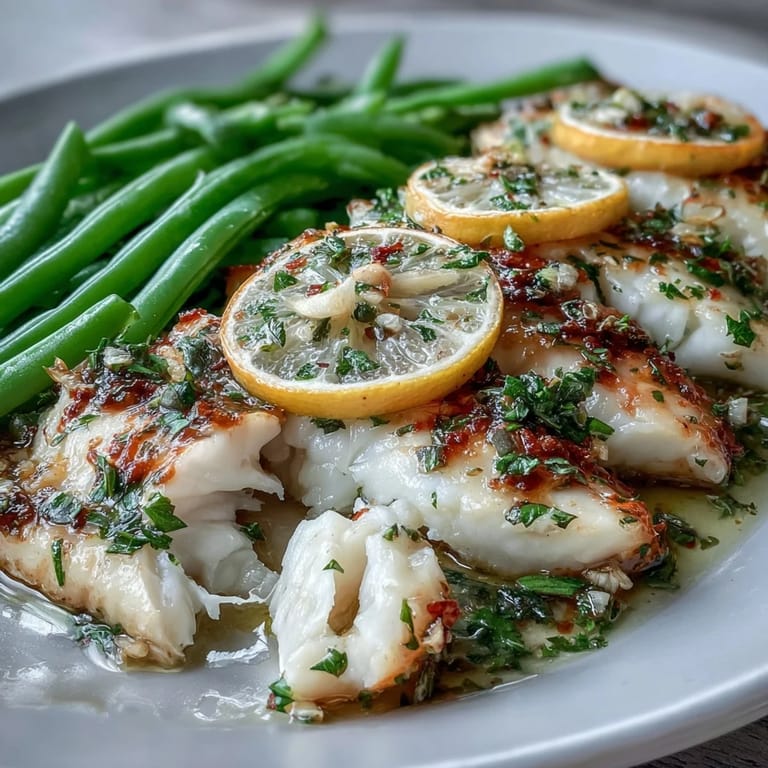
 There's something almost meditative about the moment right before you open a foil packet—that anticipation of what's inside, the controlled chaos of steam releasing. My teenager actually put their phone down to eat this, which in our house might as well be a miracle.
Why Foil Packets Changed My Cooking Rhythm
Before discovering this method, I thought cooking healthy meant either buying pre-made sad salads or standing over a stove for an hour. Foil packets taught me that some of the best meals happen passively—you prep, fold, bake, and suddenly you have restaurant-quality food with zero cleanup involved. The fish stays impossibly moist because it's cooking in its own moisture and seasoning, not drying out in direct oven heat. Once you understand this principle, you start seeing foil packets everywhere: shrimp with asparagus, chicken with root vegetables, even vegetarian combinations with tofu and mushrooms.
Customizing Without Losing the Magic
The beauty of this recipe is that it's a framework rather than a rigid formula. While tilapia is wonderfully mild, cod, sole, or flounder work just as well if your market has different options or different pricing that week. I've swapped green beans for asparagus, added cherry tomatoes, thrown in sliced fennel for licorice notes, and even experimented with different herbs like dill or thyme. The ratio of acid, fat, and heat stays the same, so the technique holds up beautifully even when you improvise.
Serving, Storage, and Scaled Versions
These packets taste perfect hot off the oven, but I've also let them cool slightly and served them at room temperature for summer dinners, which is lovely with a crisp white wine or sparkling water with lemon. Leftovers keep in an airtight container for about two days, though honestly they rarely last that long in my house. If you're cooking for two instead of four, just use two fillets and cut the vegetables proportionally—the cooking time stays the same because the packet size changes. For meal prep, you can assemble all four packets in the morning, refrigerate them, and bake straight from cold (just add a minute or two to the cooking time).
- Serve alongside quinoa, brown rice, or roasted potatoes if you want to add more substantial carbs.
- A simple salad with olive oil and lemon juice on the side feels natural and completes the meal without heaviness.
- Leftover packets are perfect cold or reheated gently in a 300°F oven for about 10 minutes.
 Save Pin
 This recipe quietly became a favorite because it asks so little and gives so much back—tender fish, perfectly cooked vegetables, bright flavors, and your evening back because cleanup amounts to rinsing a bowl and tossing foil. That's cooking that actually works for real life.
Recipe FAQs
- → Can I substitute tilapia with other fish?
Yes, mild white fish like cod or sole work well as alternatives while maintaining similar texture and flavor.
- → What is the best way to cook the packets?
Bake the foil packets at 400°F for around 18–20 minutes until the fish flakes easily and vegetables are tender-crisp.
- → How does the lemon garlic marinade enhance the dish?
The marinade adds bright citrus notes and gentle garlic aroma, balancing the mild flavor of the fish and complementing the green beans.
- → Can I add spice to this preparation?
Yes, adding chili flakes into the marinade brings a subtle heat without overpowering the delicate flavors.
- → What sides pair well with this fish and green beans combination?
Serving with quinoa or brown rice makes the meal more filling while keeping it nutritious and balanced.