 Save Pin
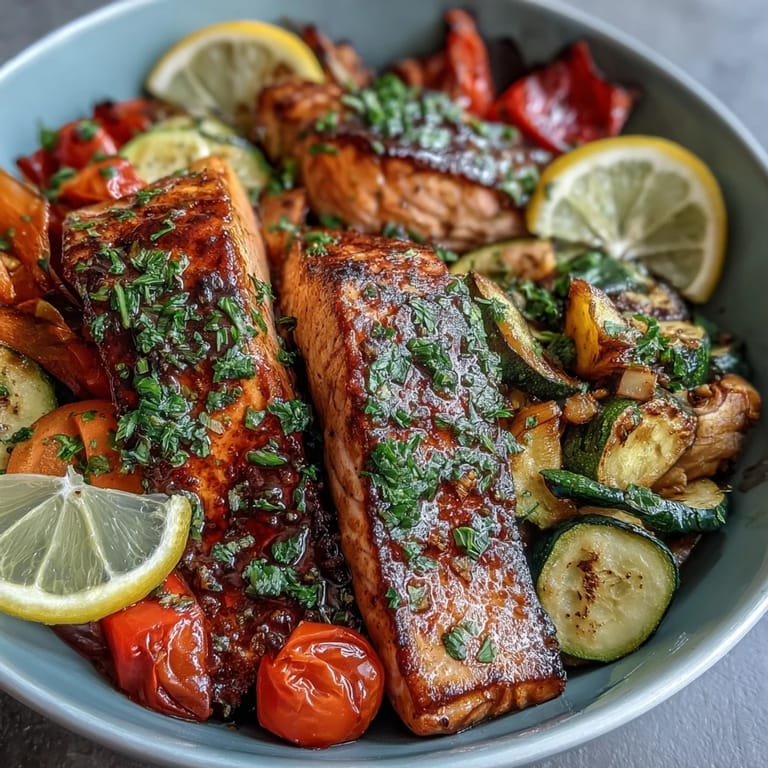
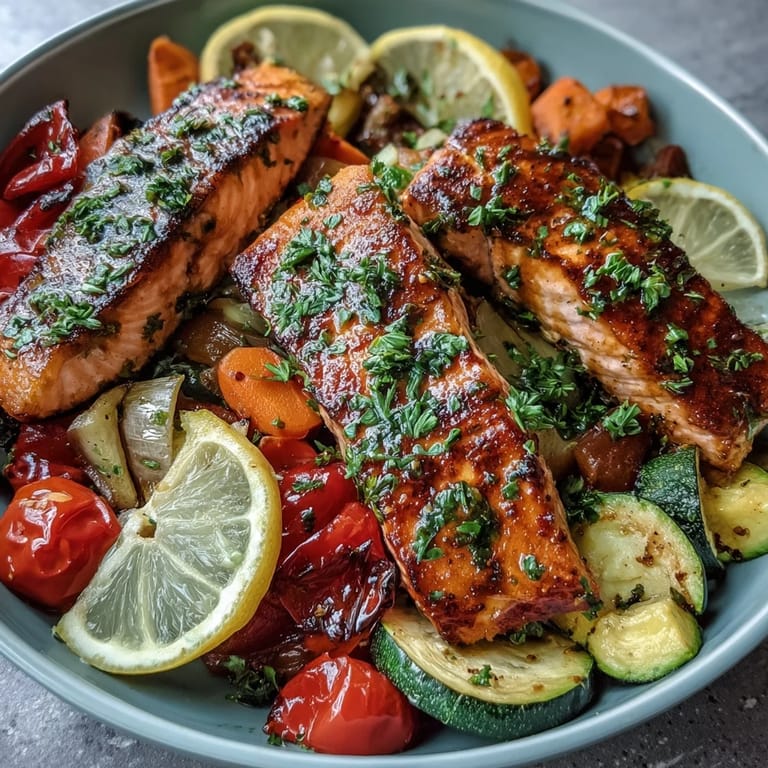
 My kitchen smelled like roasted lemon and caramelized vegetables the first time I threw this together on a Tuesday night when I had exactly thirty minutes and zero energy for complicated cooking. The salmon came out impossibly tender, the vegetables had developed these golden, crispy edges, and somehow everything on that one pan tasted like I'd actually planned the meal instead of improvising it. My partner kept asking if I'd ordered it, which is the highest compliment a weeknight dinner can receive. That's when this sheet pan situation became my secret weapon for making healthy eating feel effortless.
I made this for my parents last spring when they visited, and my mom spent the entire meal asking which restaurant I'd copied the recipe from, refusing to believe I'd just roasted everything together. That moment when she tasted it and just closed her eyes in that satisfied way made me realize this dish has a quiet power to it. It's not flashy, but it genuinely impresses people, and it turns out that matters more than I ever thought it would.
Ingredients
- Salmon fillets (4 fillets, 5–6 oz each): Look for fillets that feel firm to the touch and smell clean and oceanic, not fishy, which means they're fresh and will cook beautifully without that unpleasant tang.
- Olive oil: Use a good quality one since it's one of the few ingredients where you can actually taste it, and it makes a difference in both flavor and how evenly everything browns.
- Lemon zest: Fresh zest gives you bright, sharp notes that regular lemon juice can't quite match, and it sits right on top of the salmon so you get those little bursts of flavor.
- Red onion: Cut into wedges rather than thin slices so they don't disappear into the pan and actually stay structural enough to caramelize properly.
- Carrots: The ½-inch rounds cook at exactly the same pace as everything else on the pan, which is the small detail that makes this actually work as a one-pan meal.
- Bell peppers (red and yellow): Mix both colors for visual interest and slightly different flavor notes, though honestly either one works if that's what you have available.
- Zucchini: Cut into half-moons and keep them relatively thick so they don't turn into mush and instead become tender with slightly caramelized edges.
- Cherry tomatoes: Halve them so they cook through and concentrate their sweetness rather than staying firm and watery in the center.
- Dried Italian herbs: This is your flavor anchor for the vegetables, so don't skip it or substitute with table seasoning, because the combination of basil, oregano, and thyme is what makes it taste intentional.
- Fresh parsley: Save this for the very end because heat destroys its bright, fresh quality, and you want that contrast against the warm roasted vegetables and salmon.
Tired of Takeout? 🥡
Get 10 meals you can make faster than delivery arrives. Seriously.
One email. No spam. Unsubscribe anytime.
Instructions
- Set your oven temperature and prepare your pan:
- Crank the oven to 425°F and line your sheet pan with parchment paper or foil so nothing sticks and you're actually able to leave it alone while it cooks. This temperature is hot enough to get real caramelization on the vegetables without turning the salmon into rubber.
- Season and spread the vegetables:
- Toss your onion, carrots, peppers, zucchini, and tomatoes with the olive oil and herbs in a big bowl, getting everything evenly coated so each piece has a chance to brown. Spread them out on the pan in a single layer with a little breathing room between pieces, not piled on top of each other.
- Get the vegetables started:
- Roast them alone for ten minutes so they begin softening and developing color before the salmon joins them. This head start matters because salmon cooks way faster than dense vegetables like carrots.
- Prepare the salmon while vegetables roast:
- Pat your salmon fillets completely dry with paper towels because moisture prevents browning, then brush them lightly with olive oil and season with lemon zest, salt, and pepper. The drier surface means better texture and more control over how they cook.
- Combine everything on the pan:
- Remove the pan from the oven and nestle the salmon fillets among the vegetables, creating little gaps so heat can circulate around them. Don't cover the salmon with vegetables or push it into a corner where it'll steam instead of roast.
- Finish roasting until salmon flakes easily:
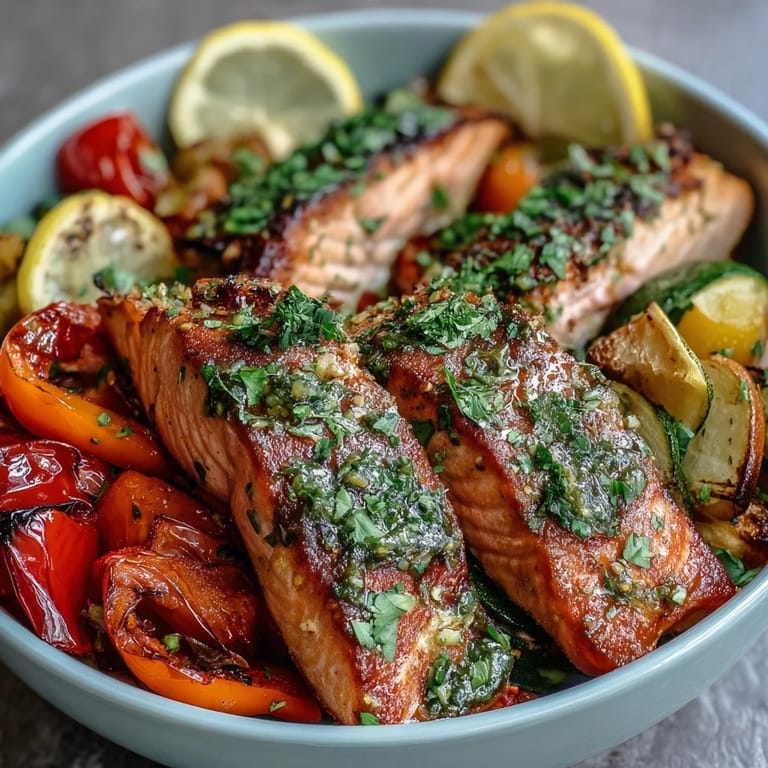
- Return to the oven for 12–15 minutes, keeping an eye after the twelve-minute mark because overcooked salmon becomes dry and loses that buttery texture you're after. The salmon is done when it flakes easily with a fork and the vegetables are tender with some caramelized edges.
- Finish with fresh parsley and serve:
- Pull everything out, scatter the chopped parsley over top, and serve with lemon wedges so people can add brightness to their own plates. The fresh herb and extra lemon are what make this feel complete rather than just roasted.
 Save Pin
 There's something about roasting salmon and vegetables together that transforms a weeknight obligation into something you're actually excited to make. It became the dish I'd volunteer to bring to potlucks because it looks like you tried harder than you actually did, and it stays delicious whether it's served warm or room temperature.
Why This One Pan Changes Everything
The genius of this meal is that it eliminates the usual cascade of dirty dishes and timing problems that come with roasting vegetables separately from protein. You're not juggling two oven temperatures or wondering if the salmon will be cold by the time the carrots finish cooking. Once you put that pan in the oven, you're genuinely finished with the cooking part and can actually spend time with whoever you're cooking for instead of standing over the stove.
Customizing This for What You Actually Have
The beauty of this formula is that it works with almost any seasonal vegetable you can grab, so you're not stuck buying specific items if your market doesn't have them. I've made versions with asparagus in spring, sweet potatoes in fall, and broccoli when I was honestly just trying to use up what was in the crisper drawer. The salmon stays the anchor, the herbs stay the same, and everything else is genuinely flexible as long as you're thinking about how long each vegetable takes to cook.
Taking It Further With Flavor
While the basic version is genuinely delicious, there are a few directions you can take it depending on your mood or what you're pairing it with. A light drizzle of balsamic glaze right before serving adds depth, feta cheese crumbles give you something textural and tangy, or a squeeze of fresh lime instead of lemon takes the whole thing in a brighter direction. The dish is solid on its own, but these small additions are fun to play with once you've made it a few times and feel confident with the base.
- Try a honey-Dijon glaze brushed on the salmon halfway through roasting for subtle sweetness.
- Toss the vegetables with a pinch of smoked paprika for complexity that makes everything taste more intentional.
- Finish with a handful of toasted pine nuts or sunflower seeds if you want crunch against the tender vegetables and flaky fish.
 Save Pin
 This has become my default answer when someone asks what I'm making for dinner on a night when I'm tired but still want to eat something that tastes intentional and feels nourishing. It's the kind of recipe that quietly becomes part of your regular rotation and somehow makes you feel like you have your life together.
Recipe FAQs
- → What vegetables work best in this bowl?
Red onion, carrots, bell peppers, zucchini, and cherry tomatoes roast beautifully together. Feel free to swap in asparagus, broccoli, sweet potatoes, or whatever seasonal vegetables you have on hand.
- → How do I know when the salmon is done?
The salmon is ready when it flakes easily with a fork and reaches an internal temperature of 145°F. The flesh should be opaque and slightly pink throughout.
- → Can I prepare this ahead of time?
You can chop the vegetables and season the salmon up to a day in advance. Store everything separately in the refrigerator, then assemble and roast when ready to eat.
- → What other seasonings can I use?
Greek seasoning, Cajun spices, or garlic powder work well on the salmon. For the vegetables, try herbs de Provence, smoked paprika, or everything bagel seasoning for different flavor profiles.
- → How should I store leftovers?
Keep leftover components in separate airtight containers in the refrigerator for up to 3 days. Reheat gently in the oven at 350°F for about 10 minutes to maintain texture.
- → Can I use frozen salmon fillets?
Yes, thaw frozen salmon overnight in the refrigerator before cooking. Pat them thoroughly dry to remove excess moisture, which helps achieve better roasting results.