 Save Pin
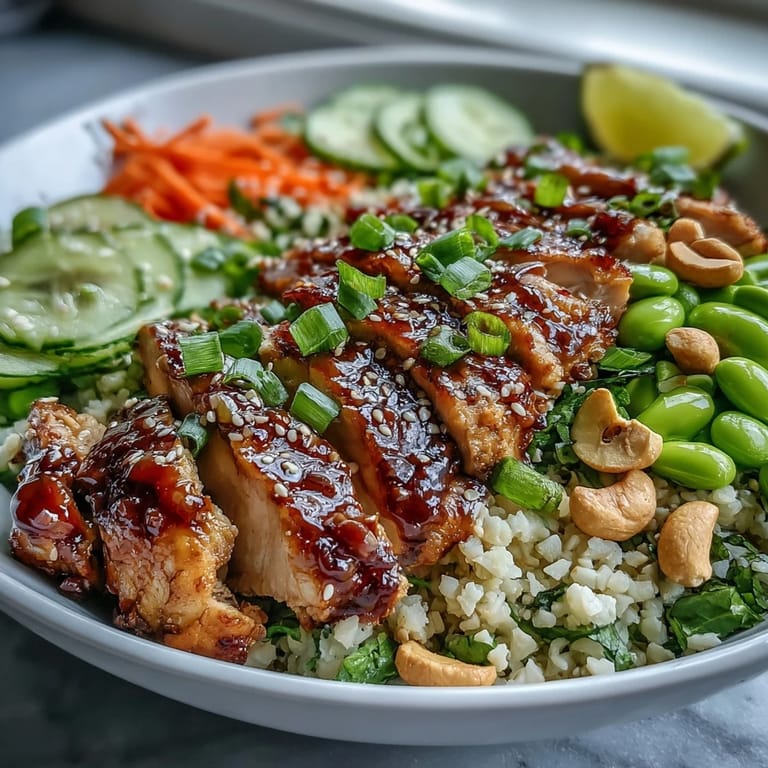
 There's something about a bowl that feels less like a meal and more like an edible puzzle you get to solve. I discovered this sesame-ginger chicken couscous combination on a Tuesday afternoon when I had leftover roasted chicken, a container of pearl couscous, and an almost-empty bottle of sesame oil that seemed to whisper its final purpose. The nutty aroma that hit when I toasted the couscous grains made me pause mid-chop, and suddenly I knew this wasn't just going to be lunch—it was going to be the kind of dish I'd keep making.
My neighbor came over unannounced one evening with her kids, and I had exactly the ingredients for four of these bowls scattered across my counter. Something about watching them all dig in—each one building their own perfect bite with exactly the toppings they wanted—felt like I'd accidentally discovered some kind of kitchen magic. They came back three weeks later asking if I could make it again, and I realized this wasn't just easy food, it was the kind that makes people feel seen.
Ingredients
- Boneless, skinless chicken breasts (2 large, about 500 g): Buy them roughly the same thickness so they cook evenly, and don't skip the rest period—it keeps them tender even after slicing.
- Olive oil (2 tbsp total): Use regular olive oil for cooking (the good stuff is wasted at high heat) and save any fancy extra virgin for drizzling at the end.
- Salt and black pepper: Taste as you go because the dressing brings its own seasoning, and you don't want an oversalted bowl at the end.
- Pearl (Israeli) couscous (1 1/2 cups): These little spheres are chewier than regular couscous and hold the dressing beautifully—they're worth seeking out.
- Low-sodium chicken broth or water (2 1/4 cups): If you use store-bought broth, check the sodium level first because the dressing itself is quite salty.
- Toasted sesame oil (2 tbsp): This is the soul of the dressing, and a little goes a long way—don't substitute untoasted, it's a completely different animal.
- Soy sauce or tamari (3 tbsp): Tamari is the gluten-free option and honestly tastes slightly cleaner, so grab it if you can find it.
- Rice vinegar (2 tbsp): It's milder than regular vinegar and lets the ginger shine through without overpowering anything.
- Fresh ginger, finely grated (1 tbsp): Use a microplane if you have one—it distributes evenly and you avoid those stringy bits that slip between your teeth.
- Garlic cloves, minced (2): Fresh is non-negotiable here; garlic powder will taste flat by comparison.
- Lime juice (1 tbsp): Squeeze it fresh, and if your limes are old and hard, microwave them for 20 seconds first.
- Honey or maple syrup (1 tbsp): Use whichever you have, though maple syrup brings a subtle earthiness that I prefer.
- Sriracha or chili sauce (1 tsp, optional): I keep this optional because some people come to bowls for comfort, not heat, but a tiny drizzle changes everything if you want it.
- Sesame seeds (1 tbsp): Toast them yourself if you have time—those 2 minutes in a dry pan make them taste impossibly nutty.
- Cucumber, thinly sliced (1 cup): Slice it just before serving so it doesn't weep water into everything.
- Shredded carrots (1 cup): Use a box grater or the shredding blade on your food processor—your knuckles will thank you.
- Cooked edamame, shelled (1 cup): Buy them frozen, cook according to package directions, and chill them before adding to the bowl for a crisp bite.
- Green onions, sliced (4): Split them into white and green parts—cook the whites into things, save the greens for that fresh finish.
- Fresh cilantro or parsley, chopped (1/4 cup): Cilantro adds brightness, parsley adds freshness without that soapy note some people experience.
- Roasted cashews or peanuts, roughly chopped (1/4 cup, optional): The crunch is optional but honestly essential—it's what makes people go back for another bite.
- Lime wedges, for serving: A squeeze at the end ties everything together and cuts through the richness of the sesame oil.
Tired of Takeout? 🥡
Get 10 meals you can make faster than delivery arrives. Seriously.
One email. No spam. Unsubscribe anytime.
Instructions
- Heat your oven and prep the chicken:
- Preheat to 400°F and line a baking sheet with parchment so cleanup is painless. Pat the chicken dry with paper towels—this one small step helps it brown instead of steam, which changes everything texture-wise.
- Season and bake the chicken:
- Rub each breast with a little olive oil, salt, and pepper on both sides, then lay them on the sheet. They'll bake for 18 to 22 minutes depending on thickness, so check the internal temperature at 18 and don't panic if they're not done yet.
- Let it rest:
- Once it hits 165°F, pull it out and let it sit for 5 minutes—carryover cooking finishes the job while you walk away. This resting period is why the chicken stays juicy instead of drying out when you slice it.
- Toast and cook the couscous:
- While the chicken bakes, heat a medium saucepan over medium heat with a tablespoon of olive oil. Add the pearl couscous and stir constantly for 2 to 3 minutes until it smells toasty and looks pale golden—you'll hear it gently clicking against the pan.
- Add liquid and simmer:
- Pour in the chicken broth with a pinch of salt, bring it to a boil, then cover and drop the heat to low. Set a timer for 10 to 12 minutes and resist the urge to peek—the steam needs to stay trapped to cook everything evenly.
- Fluff and cool slightly:
- When the liquid is absorbed and the grains are tender, fluff with a fork to separate them. Let it cool for just a minute before tossing with the dressing so it absorbs the flavors while still warm.
- Build the dressing:
- In a separate bowl, whisk together the soy sauce, sesame oil, rice vinegar, honey, ginger, garlic, lime juice, and sriracha if you're using it. Add the sesame seeds last and give it one more whisk—if it tastes a bit too intense, that's perfect because it mellows when mixed with the couscous.
- Dress the couscous:
- Pour the dressing over the warm couscous and toss it well, breaking up any clumps so every grain gets coated. Taste it now and adjust if needed—a touch more lime if it's too salty, a dab more honey if it's too sharp.
- Slice the chicken:
- Once it's rested, slice each breast against the grain into 1/4-inch pieces. Slicing against the grain shortens the muscle fibers and makes every bite more tender.
- Assemble the bowls:
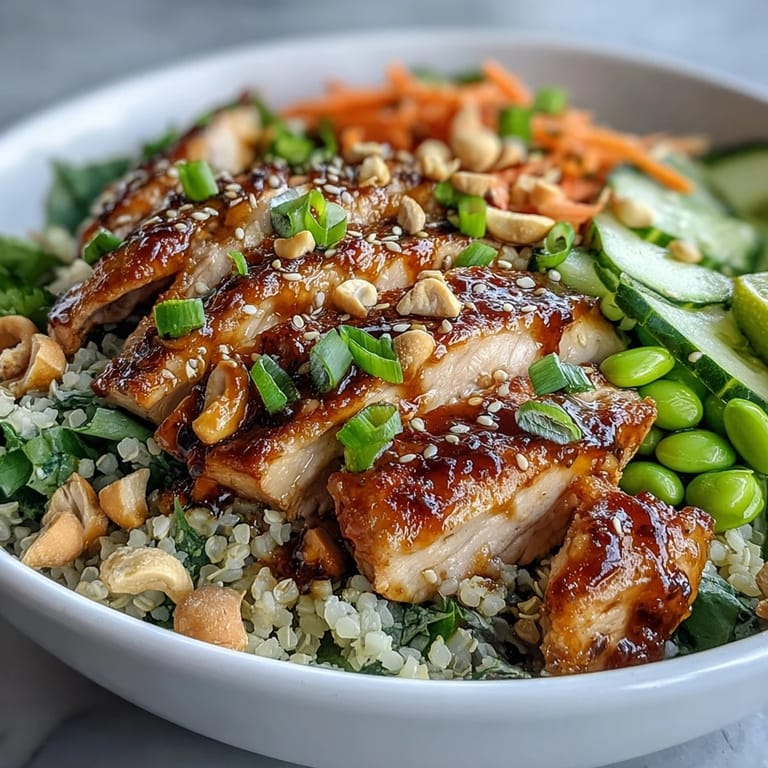
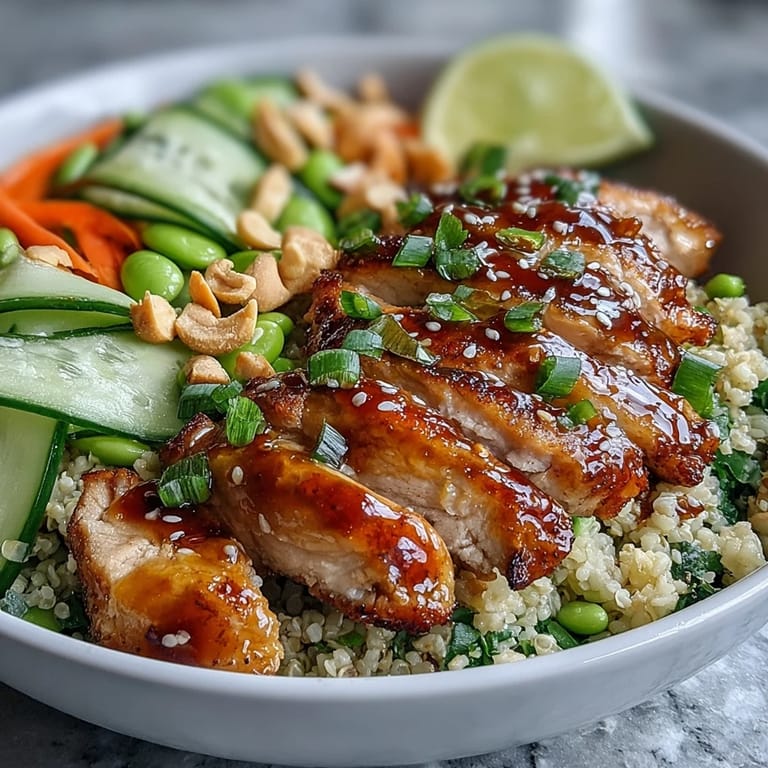
- Divide the dressed couscous among four bowls, then arrange the chicken slices on top along with the cucumber, carrots, edamame, and green onions. Scatter the cilantro and nuts over everything and serve immediately with a lime wedge on the side.
 Save Pin
 I made this for a potluck once where everyone was supposed to bring a summer salad, and I showed up with these bowls instead. One person asked for the recipe before even finishing their first bite, and suddenly I had four people asking for it at the same time—all that fuss over something that took me less than an hour from start to finish.
Why Pearl Couscous Changes the Game
Regular couscous is fine, but those little pearl-shaped grains have a completely different texture—almost like tiny pasta instead of grains. They hold up better to dressing without getting gummy, and they have this satisfying chew that makes the bowl feel more substantial. The first time I made this with regular couscous, I kept wondering why it felt a bit mushy by the time I ate it, and then I switched to pearl and understood immediately.
Making It Your Own
This bowl is a framework more than a rigid recipe, and that's honestly why I love it. Swap the chicken for tofu or shrimp, use quinoa instead of couscous if that's what you have, throw in roasted broccoli or snap peas if you want more vegetables. I once made it with leftover rotisserie chicken and saved myself 20 minutes, and another time I used it as a vehicle for whatever vegetables were sad in my crisper drawer.
- If you're meal prepping, keep the couscous and dressing separate from the fresh vegetables and chicken until you're ready to eat—the textures stay crisp and bright that way.
- The dressing doubles beautifully if you're making this for a crowd, and it keeps in the fridge for about three days if you need to get ahead.
- Taste the dressing before mixing it into the couscous and adjust the balance now—a little extra lime, a touch more honey, whatever your palate needs in that moment.
Pairing and Serving
These bowls are warm and cool at the same time, which makes them perfect for almost any season or mood. Serve them with something crisp like a Sauvignon Blanc if you're feeling fancy, or just a cold glass of water with lime if you want to let the food speak for itself.
 Save Pin
 This is the kind of recipe that lives in that perfect spot between simple enough for a weeknight and interesting enough to feel special when people gather around it. Make it once and you'll understand why it sticks around.
Recipe FAQs
- → What makes pearl couscous different from regular couscous?
Pearl couscous, also known as Israeli couscous, consists of larger toasted pasta balls rather than the tiny semolina granules of regular couscous. It has a chewier texture and nutty flavor profile that holds up well in grain bowls and absorbs dressings beautifully.
- → Can I make this dish ahead of time?
Yes, these bowls meal prep excellently. Store the dressed couscous, sliced chicken, and vegetables in separate airtight containers for up to 4 days. Assemble just before serving and add fresh herbs and nuts right before eating to maintain texture.
- → What can I substitute for the chicken?
Roasted tofu cubes work wonderfully for a vegetarian version. Alternatively, try seared salmon fillets, grilled shrimp, or even chickpeas for plant-based protein. Adjust cooking times accordingly depending on your chosen protein.
- → How do I toast the pearl couscous properly?
Heat olive oil in your saucepan over medium heat, add the dry couscous, and stir frequently for 2-3 minutes. You'll notice the pearls turning golden brown and releasing a slightly nutty aroma. This step enhances flavor before adding liquid.
- → Is the sesame-ginger dressing spicy?
The base dressing has mild heat from fresh ginger and garlic, while the sriracha is optional. Add it gradually to taste. If you prefer more spice, consider adding red pepper flakes or a drizzle of chili oil when serving.
- → What vegetables work best in these bowls?
The recipe suggests cucumber, carrots, and edamame for crunch and freshness. Other great options include bell peppers, snap peas, shredded cabbage, or roasted vegetables like sweet potato and broccoli. Choose colorful veggies that maintain texture when mixed with the dressed couscous.