 Save Pin
 I stumbled onto this recipe during a random Tuesday when my fridge held nothing but roasted red peppers, a half-can of lentils, and an existential crisis about dinner. The blender hummed to life, steam rose from the skillet, and within twenty minutes I'd created something so creamy and rich that my partner asked if I'd snuck dairy past them—nope, just plants doing their thing. That moment taught me that vegan cooking doesn't have to be complicated; sometimes the best dishes happen when you stop overthinking and start blending.
Last winter I made this for friends who'd just moved into a cold apartment with a broken oven. We crowded around a single skillet in their kitchen, and as the sauce came together, the whole room smelled like a cozy Italian trattoria. One friend kept sneaking tastes on the wooden spoon, laughing that she couldn't believe something so creamy came from a blender. That dinner became less about the food and more about how cooking for people transforms a half-empty apartment into a home.
Ingredients
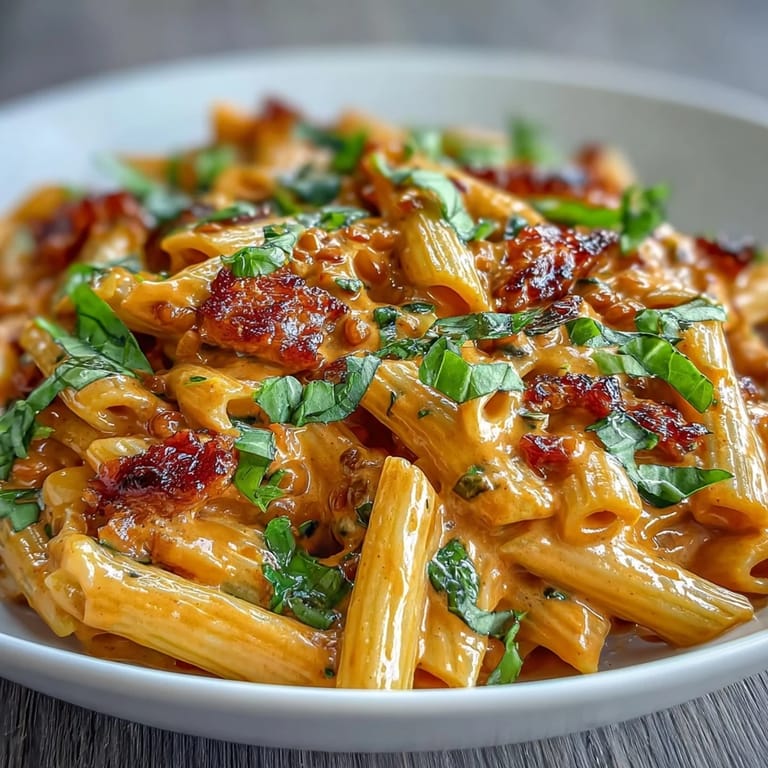
- Dried penne or fusilli pasta (340 g): The shape matters here—ridged pasta like penne traps the creamy sauce better than smooth noodles, so each bite actually tastes like you intended.
- Large roasted red peppers (2): If you're roasting them fresh, do it ahead and store them in the fridge; jarred ones work beautifully and save you the charring step on busy nights.
- Cooked lentils (120 g): These are your protein anchor and they blend into invisibility, creating creaminess without any graininess—make sure they're fully drained so the sauce doesn't get watery.
- Medium yellow onion (1), chopped: Yellow onions caramelize slightly and add natural sweetness; white onions would be too sharp here.
- Garlic cloves (3), minced: Don't skip this—garlic is what keeps this from tasting one-dimensional and boring.
- Unsweetened plant-based milk (120 ml): Oat milk creates the silkiest texture, though soy works if you want more protein punch and almond if you prefer a lighter feel.
- Olive oil (2 tbsp total): Split between cooking and finishing; that final addition after blending adds a subtle fruity note.
- Nutritional yeast (2 tbsp): This is your umami and savory depth—it's what makes people swear there's cheese hiding in here.
- Tomato paste (1 tbsp): A small amount adds tang and body without making the sauce taste tomatoey.
- Smoked paprika (1 tsp): The smoke is essential; regular paprika feels flat by comparison.
- Dried oregano (1/2 tsp): Fresh would overpower the roasted pepper flavor, so dried is actually the better choice here.
- Salt and black pepper: Don't assume the lentils and peppers brought enough seasoning—taste as you finish.
Tired of Takeout? 🥡
Get 10 meals you can make faster than delivery arrives. Seriously.
One email. No spam. Unsubscribe anytime.
Instructions
- Start the pasta:
- Bring a large pot of salted water to a rolling boil and add your pasta, stirring occasionally so nothing sticks to the bottom. When it's almost done, scoop out about half a cup of that starchy pasta water before draining—this liquid is liquid gold for adjusting sauce consistency later.
- Build the base:
- While pasta cooks, warm a skillet over medium heat with one tablespoon of olive oil. Toss in the chopped onion and let it soften for about five minutes, stirring now and then until the edges turn translucent and golden. Add the minced garlic and let the kitchen fill with that incredible aroma for just one minute—any longer and it'll start to burn.
- Blend into magic:
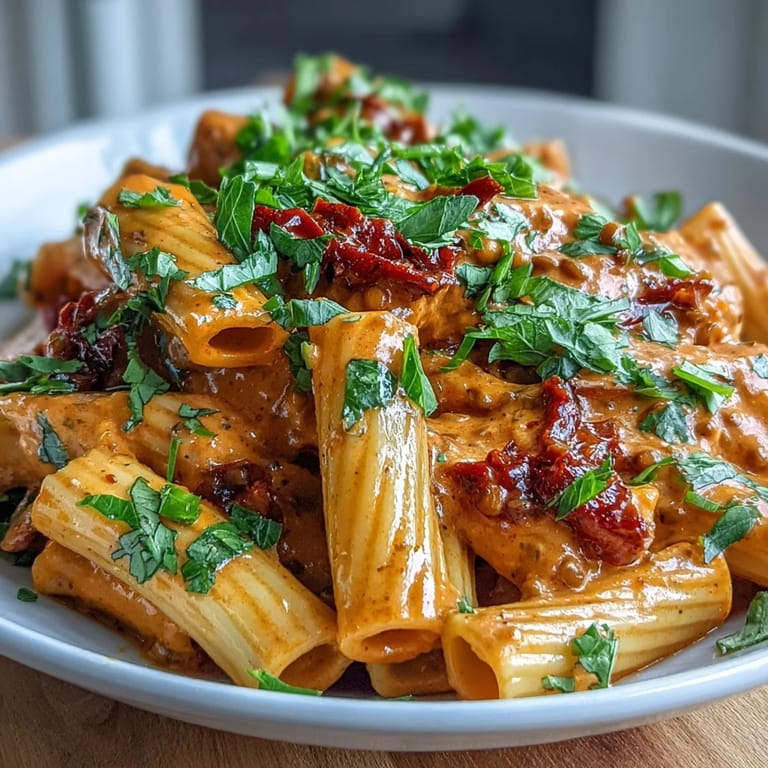
- Combine the softened onion and garlic, roasted red peppers, drained lentils, plant milk, nutritional yeast, tomato paste, and all your spices into a blender. Blend until you can't see any texture at all—the sauce should look like velvet, completely smooth with no gritty spots.
- Marry the sauce:
- Pour the blended sauce back into your skillet over low heat and stir in that remaining tablespoon of olive oil. Slowly add the reserved pasta water, just a splash at a time, until the sauce reaches the consistency you want—it should coat a spoon but still flow slightly. Taste it now and adjust salt or pepper or even a touch more paprika if needed.
- Bring it together:
- Add your drained pasta directly to the sauce and toss everything together for about a minute just to warm everything through and let the pasta soak up that roasted pepper flavor.
- Plate and finish:
- Spoon into bowls while still warm and scatter fresh basil over the top, a sprinkle of vegan parmesan, and a pinch of red pepper flakes if you like heat.
 Save Pin
 There's a moment when you taste this sauce for the first time—that moment when you realize vegan cooking isn't about giving up richness, it's about discovering a different kind of it. The peppers bring sweetness and smoke, the lentils vanish into silk, and suddenly you're eating something that feels like a hug from an old friend's kitchen.
Why Roasted Red Peppers Are Your Secret Weapon
Roasted red peppers taste nothing like raw ones—something happens when their sugars caramelize and their skin blackens. If you're roasting fresh ones, char them directly over a gas flame or under a hot broiler until the skin is completely blackened, then steam them in a covered bowl for ten minutes before peeling. The steam does the work for you, and the pepper practically falls out of its skin. That's when you know you've got the real deal, and your sauce will taste like it came from someone's grandmother's stove instead of a weeknight scramble.
The Lentil Trick Nobody Talks About
Most people think lentils are just beans with a texture problem, but when you blend cooked lentils into a sauce, something magical happens—they contribute protein and heartiness while disappearing completely into a creamy base. The key is using lentils that are fully cooked but not mushy, and making absolutely sure they're drained well so you're not adding hidden water that thins out your sauce. Once blended, they act like a secret ingredient that makes people ask what you're hiding.
Ways to Make This Your Own
This recipe is flexible because the base is so solid—you can build on it without worrying things will fall apart. Stir in fresh spinach or sautéed zucchini for more vegetables, add a teaspoon of balsamic vinegar if you want extra depth, or even swirl in a spoonful of cashew cream if you want it even richer. Some nights I add a handful of capers for briny punctuation, and other nights I leave it simple so the roasted pepper flavor stays front and center. The foundation is strong enough to handle whatever you want to fold in.
- Swap brown lentils for red if you prefer a slightly sweeter, softer sauce that blends even more seamlessly.
- Use jarred roasted red peppers on nights when you just need dinner to happen without extra steps.
- Fresh basil makes the biggest difference in the final taste, so don't skip the garnish even if it seems fancy.
 Save Pin
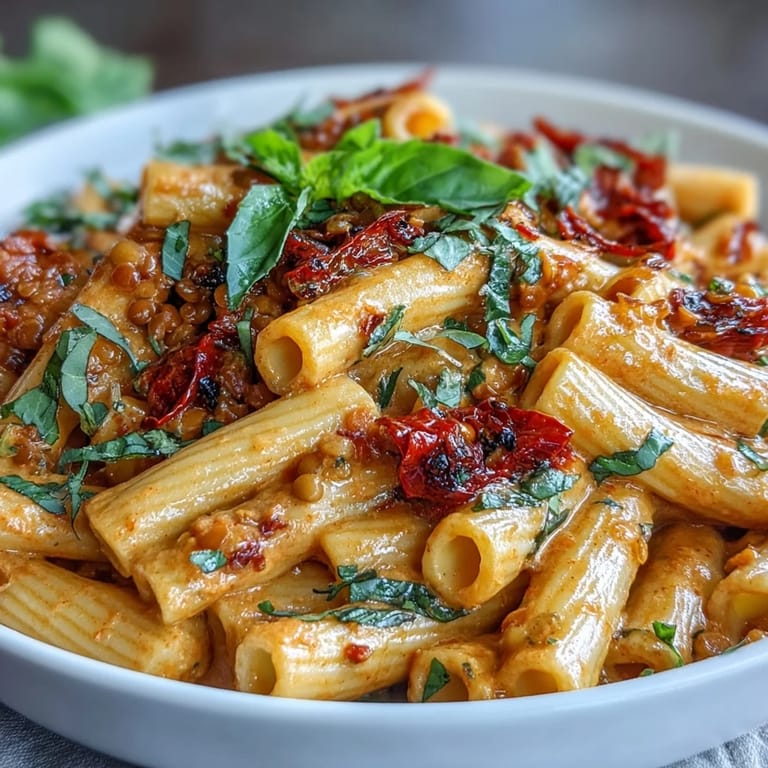
 This pasta exists in that rare space where it's easy enough for a rushed Tuesday but interesting enough that you'll actually want to make it again. Cook it once and it becomes a tool you know you can reach for whenever you need something warm, satisfying, and proof that vegan cooking is just cooking.
Recipe FAQs
- → Can I use a different type of pasta?
Yes, any short pasta such as fusilli or penne works well. Gluten-free options are great for dietary needs.
- → How do roasted red peppers affect the flavor?
Roasting brings out a smoky sweetness in the peppers, enriching the sauce with depth and complexity.
- → What substitutes work for plant-based milk?
Oat, almond, or soy milk are all excellent choices to maintain creaminess without dairy.
- → Can lentils be replaced or omitted?
Lentils add protein and texture; red or brown lentils can be swapped or omitted for a lighter sauce, though protein content will decrease.
- → How to adjust the sauce consistency?
Add reserved pasta water gradually to reach the desired thickness, ensuring a smooth and creamy coating.