 Save Pin
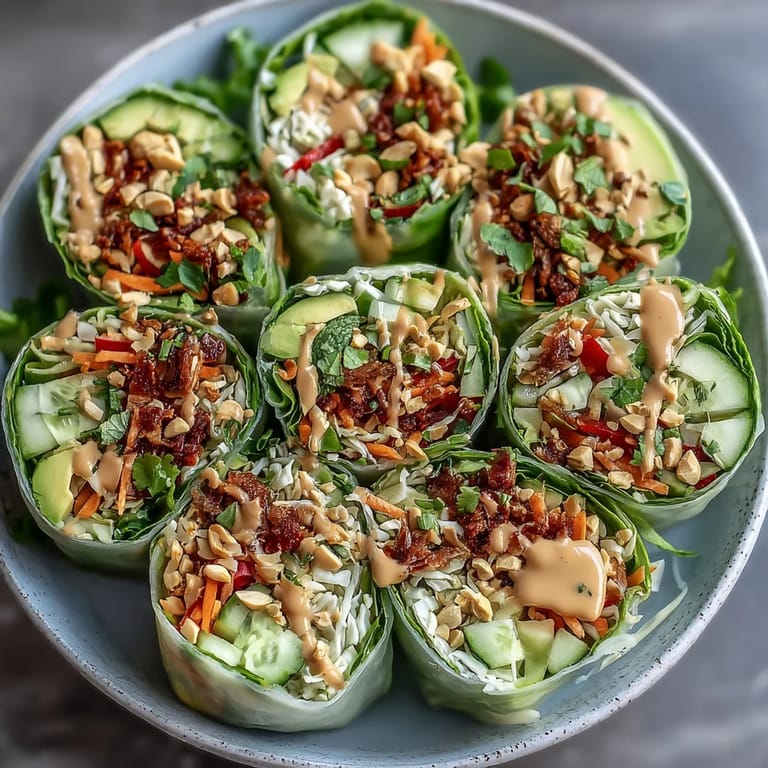
 My neighbor handed me a takeout container of spring rolls one humid afternoon, and I was instantly transported to a street market I'd visited years before. The crispy exterior, the fresh herbs, the peanut sauce—it all came rushing back. That evening, I decided I didn't want the heaviness of fried rolls, but I craved that exact combination of flavors and textures. So I deconstructed the whole thing into a salad, letting the vegetables breathe and the dressing do all the talking.
I made this for a potluck where everyone else brought heavy casseroles, and it was gone in minutes while the hot dishes sat untouched. One person came back for seconds and asked if I'd catered it. That's when I realized this salad doesn't feel like obligation food—it feels like a treat.
Ingredients
- Red cabbage: Use it shredded to get maximum surface area for the dressing to cling to, and it won't wilt the way softer greens might.
- Carrots: Shredding them thin wakes up their natural sweetness and makes them tender without cooking.
- Cucumber: Slice it thin and pat it dry or the salad will get watery as it sits.
- Rice noodles: These are optional but they turn the salad into something more substantial if you're serving it as a main course.
- Bell pepper: Red ones are sweetest, but use whatever color makes you happy—the important thing is slicing them thin enough to fold into each bite.
- Bean sprouts: Buy them the day you plan to eat this; they deteriorate quickly in the fridge.
- Fresh mint, cilantro, and basil: Don't skip these or use dried—the fresh leaves are the whole point, bright and alive in your mouth.
- Avocado: Add it just before serving so it doesn't brown and lose its buttery texture.
- Roasted peanuts: Chop them roughly so you get different sizes in each bite, some bigger for crunch and some smaller for flavor distribution.
- Creamy peanut butter: Make sure it's the natural kind without added sugar, or your dressing will be too sweet.
- Fresh lime juice: Bottled juice is a last resort; fresh lime is where the brightness comes from.
- Soy sauce or tamari: Use tamari if you need gluten-free, and know that it's slightly less salty so you might need a tiny bit more.
- Maple syrup: This balances the salt and acid, creating harmony in the dressing without making it dessert-like.
- Toasted sesame oil: A small amount goes a long way; it's potent and nutty, not the refined kind.
- Fresh garlic and ginger: Mince them fine so they distribute evenly and don't leave spicy chunks.
- Warm water: This is your adjustment tool—add it gradually until the dressing flows but still coats a spoon.
Tired of Takeout? 🥡
Get 10 meals you can make faster than delivery arrives. Seriously.
One email. No spam. Unsubscribe anytime.
Instructions
- Prep and combine your vegetables:
- Shred the cabbage and carrots, slice the cucumber and pepper, and tear or pick the bean sprouts and fresh herbs into a large bowl. Toss everything together gently—you're not trying to bruise anything, just getting them to know each other before the dressing arrives.
- Arrange with intention:
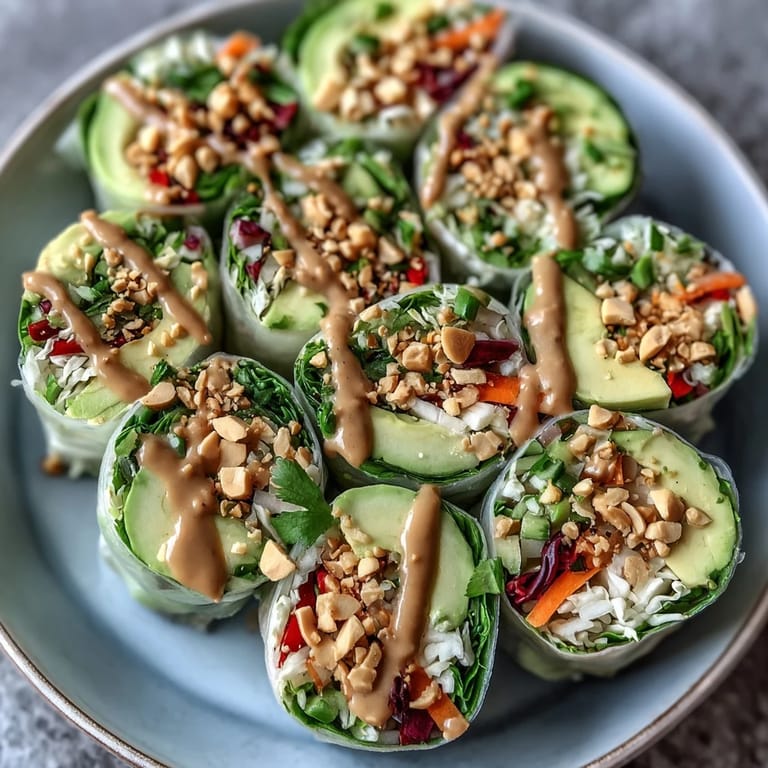
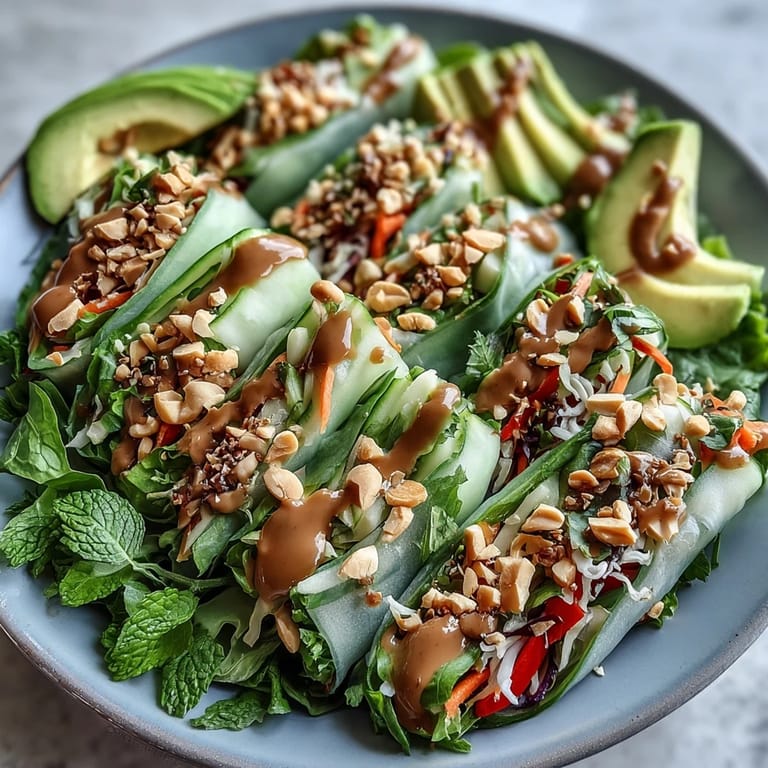
- Spread your salad mixture across a platter or into bowls, creating height and separation so every component is visible. Top with avocado slices and a scatter of peanuts, reserving a few peanuts as a final garnish so they stay crispy.
- Build the dressing with balance:
- Whisk together peanut butter, lime juice, soy sauce, maple syrup, sesame oil, minced garlic, and ginger in a small bowl. Listen for the sound of the whisk as the ingredients come together, and stop when you don't hear any resistance from the peanut butter lumps anymore.
- Thin to the right consistency:
- Add warm water one tablespoon at a time, whisking after each addition until the dressing flows from the whisk but still has body. It should look glossy and pour-able, like liquid velvet.
- Finish and serve immediately:
- Drizzle the dressing over the salad, or serve it on the side so everyone can control how much they want. Toss gently and eat right away, while the vegetables still have snap and the peanuts are still crunchy.
 Save Pin
 My daughter used to turn her nose up at salads until she saw me hand-tearing the fresh basil and watched the dressing come together with colors she'd never associated with healthy food. She asked to help, and suddenly salad wasn't punishment—it was an activity, a small ritual of care in the kitchen.
Why This Salad Changed Everything for Me
For years I made salads that tasted like obligation, heavy with iceberg lettuce and bottled dressing. Then I realized that Southeast Asian flavors taught me something I'd been missing: vegetables don't need to be boring. They want to be seasoned, touched by lime and garlic and toasted oils, and they want to be eaten with herbs that actually taste like something. This salad proved to me that a vegetable dish could be exciting on its own terms, not just a vehicle for protein or a guilt reduction strategy.
The Dressing as the Heart of Everything
I learned early on that a salad is only as good as its dressing, and a great dressing should make you want to drink what's left in the bowl. This peanut sauce does exactly that—it's creamy and acidic and nutty all at once, with just enough heat potential if you want it. The trick is tasting as you build it, because the ratio of lime to garlic to maple syrup depends on your peanut butter and your mood that day.
Making This Salad Your Own
The beauty of this recipe is that it's more of a template than a mandate. I've made it with almond butter when peanuts felt too heavy, and I've added crispy tofu for people who needed more protein than the peanuts alone provided. Last summer I threw in thinly sliced radishes and snap peas, and it completely changed the texture game. The dressing stays the same, holding everything together while you experiment.
- Try sriracha or a tiny pinch of cayenne in the dressing if you want heat that builds as you eat.
- Substitute any nut or seed butter you have on hand, adjusting the water ratio slightly depending on how thick your butter is.
- Add cooked chickpeas or baked tofu to turn this into a complete meal that satisfies even skeptics.
 Save Pin
 This salad reminds me that fresh food doesn't have to be complicated, just intentional. Serve it cold, share it generously, and watch people's faces change when they taste what a vegetable salad can actually be.
Recipe FAQs
- → Can I substitute peanut butter in the dressing?
Yes, almond or sunflower seed butter can replace peanut butter for a different nutty flavor or allergy considerations.
- → Are the rice noodles necessary for this salad?
Rice noodles add texture and bulk but can be omitted for a lighter or gluten-free dish.
- → How do I achieve the right dressing consistency?
Thin the peanut dressing gradually with warm water until it reaches a smooth pourable texture.
- → What fresh herbs enhance this salad?
Mint, cilantro, and basil bring bright, aromatic notes that complement the vegetables and dressing.
- → Can I add a spicy element to the salad?
Yes, a dash of sriracha or chili sauce in the dressing adds a nice spicy kick.